
Review · MILAN TOURS
Milano: Degustazione caffè di qualità dalla moka al filtro
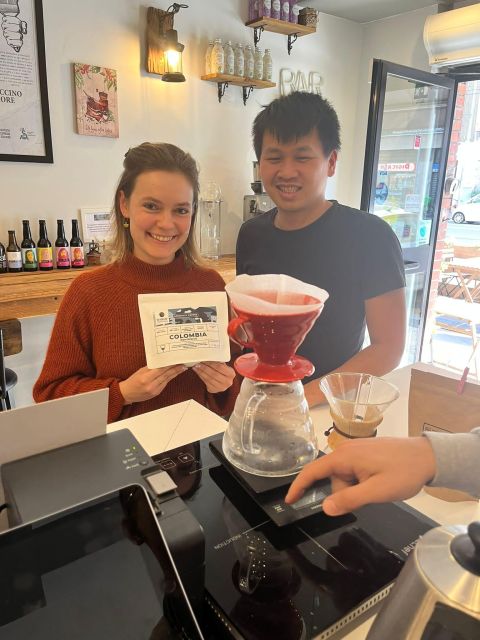
The best part of this Milan tasting is the chance to meet coffee in three very different forms: made with an Italian moka, poured through a V60 and brewed in a Chemex. You’ll compare coffees from individual producers or plantations, with origins chosen according to the season and what’s available.
I like the contrast between Italian coffee tradition and newer filter methods, and the practical focus on techniques you can use at home. The small group, limited to six, also gives Ivone and Federico room to explain the brewing as it happens.
One consideration: this is a coffee-first outing, not a broad food tasting or a city tour. If you rarely drink coffee without milk, some cups may taste more direct than you expect, though that can be part of the fun.
- Three single origins: Coffees come from individual plantations or producers, with choices across Africa, South America and Asia depending on availability.
- Three brewing methods: Compare moka, V60 and Chemex, each with its own preparation and effect on the cup.
- Useful home advice: The hosts explain techniques and share tips for making better coffee yourself.
- Small group, three languages: Up to six people can join, with instruction in English, Italian or Spanish.
- A sweet alongside the tasting: Choose a dessert or biscuits, including vegan and gluten-free options.
- A little extra for coffee fans: Water is provided between coffees, and you can get a special discount on coffee beans.
A coffee tasting, not just another caffeine stop
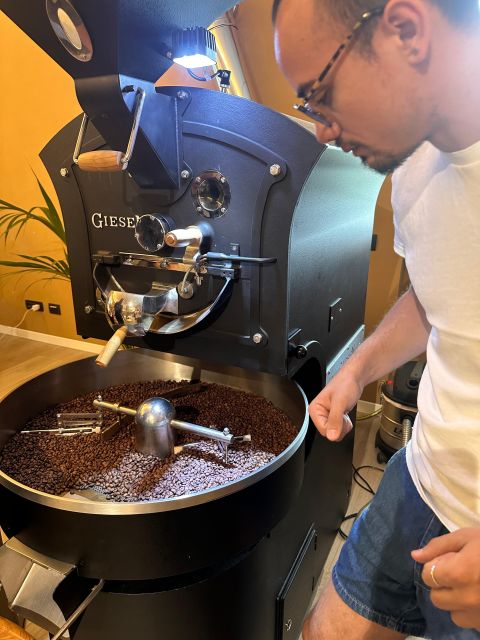
Milan is a city where coffee is part of the daily rhythm. This two-hour session offers a way to slow down and pay attention to what is in the cup: where the beans come from, how they are prepared and how the brewing method can bring out different qualities.
Il Cafetero Specialty Coffee builds the tasting around three single-origin coffees. That means each coffee comes from one producer or plantation rather than being a blend of beans from multiple sources. The selection can draw from Africa, South America and Asia, but the exact coffees depend on season and availability. You should expect variety, not a fixed set of named origins.
The format is hands-on in the useful sense: you taste coffee made using three methods and learn what goes into preparing each one. It is not simply a flight of drinks with a few tasting notes attached. The point is to understand how moka, V60 and Chemex differ, then take home ideas for brewing more thoughtfully.
Starting with three coffees from single producers
The tasting begins with the beans themselves. The hosts select three single origins, giving you a chance to compare coffees that have a clear connection to a particular grower or plantation. Because the choice shifts with the season and supply, the exact lineup is not guaranteed in advance.
That flexibility is a plus if you enjoy discovering something new. It also means you should not book expecting a specific country, flavor profile or bean. The available information does not promise particular notes such as citrus, chocolate or florals, so it is better to arrive ready to taste what is being served rather than with a fixed wish list.
The origin is only one piece of the story. The way coffee is prepared also affects what reaches your cup, which is why this tasting puts brewing methods at the center. You can compare the drinks and ask questions as the hosts explain the process.
More Milan tours:
- Milan: Cathedral and Duomo’s Terraces Entrance Ticket
★ 4.6 · 61,054 reviews - Milan: Da Vinci’s Last Supper Guided Tour
★ 4.7 · 10,143 reviews - Milan: Science and Technology Leonardo da Vinci Museum Entry
★ 4.5 · 7,169 reviews
Moka: the familiar Italian pot, looked at afresh
The moka is the most recognizable method in the lineup for many Italians and visitors alike. It is closely tied to home coffee culture, but familiarity does not always mean people use it in a way that brings out the best in the beans.
Here, the moka is treated as more than a piece of kitchen equipment. You’ll learn how the method has changed over time and how to use it to bring out coffee’s natural and aromatic qualities. That makes this part especially practical if you already own a moka pot and want to improve the cup it produces.
The format also makes for an appealing comparison. The moka stands beside two filter methods, so you can consider how the same broad category of coffee changes when prepared in a different way. The aim is not to declare one method the winner. It is to help you understand what each can offer.
V60: learning what filter coffee means
The V60 is a well-known pour-over method among baristas and has become familiar in some Italian coffee shops. If you know the name but have never seen one used, this is a chance to watch its preparation and taste the result.
One useful part of the session is the distinction between American coffee and filter coffee. Those terms can be used loosely, but the tasting is designed to help you understand the difference through the method and the cup. That practical comparison may be more useful than memorizing a list of coffee terms.
For home brewers, the V60 section offers a look at a method that may feel less routine than using a moka. You’ll hear preparation techniques and tips you can try later. The experience is still a guided tasting, though, so it is not described as a full workshop where every participant is guaranteed to prepare a brew themselves.
Chemex: a design-led way to make aromatic coffee
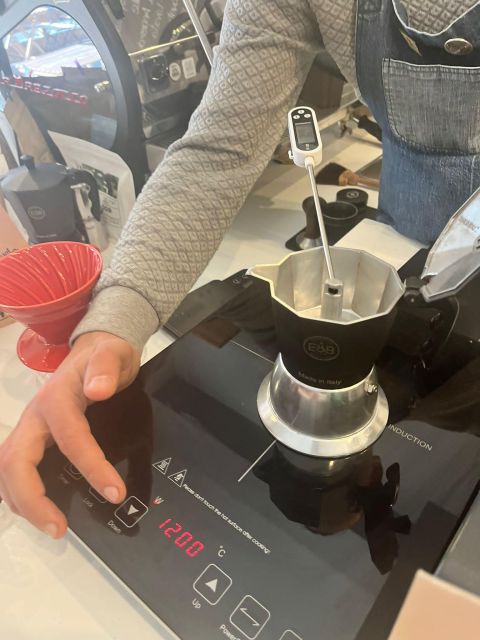
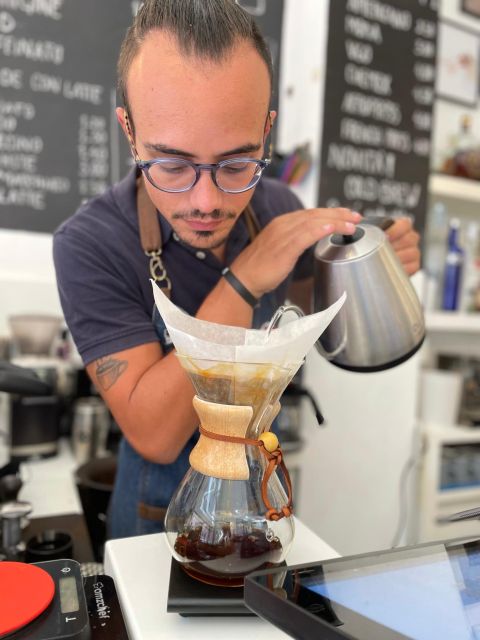
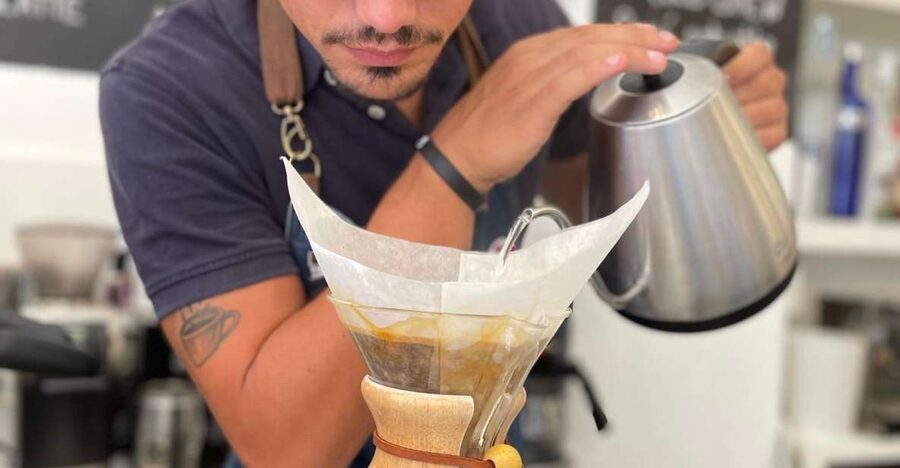
The Chemex is easy to recognize by its design, and it rounds out the tasting with another filter approach. It is presented as a way to taste a particularly aromatic coffee, giving you one more point of comparison with the moka and V60.
The value here is not just seeing a different brewer on the table. It is having the chance to notice how the method affects the coffee you drink. By this stage, you have considered traditional Italian preparation and two filter methods, and the contrasts can make the details easier to remember.
If you are the sort of person who likes a simple routine and one dependable cup, three methods may sound like a lot of gear. You do not need to go home and buy all of it. The session helps you see what the options are, then decide which approach, if any, suits your own kitchen.
Prefer a different pace?
- Milan: City Sightseeing Hop-On Hop-Off Bus with Audio Guide
★ 4.0 · 6,256 reviews - Milan Cathedral: Duomo Terraces Ticket (No Church Access)
★ 4.6 · 6,111 reviews - Milan: Milan Cathedral Direct Entrance – Terrace Excluded
★ 4.5 · 5,782 reviews - Milan: Guided Walking Tour & Last Supper Visit with Ticket
★ 4.7 · 5,409 reviews
Small group, easy conversation
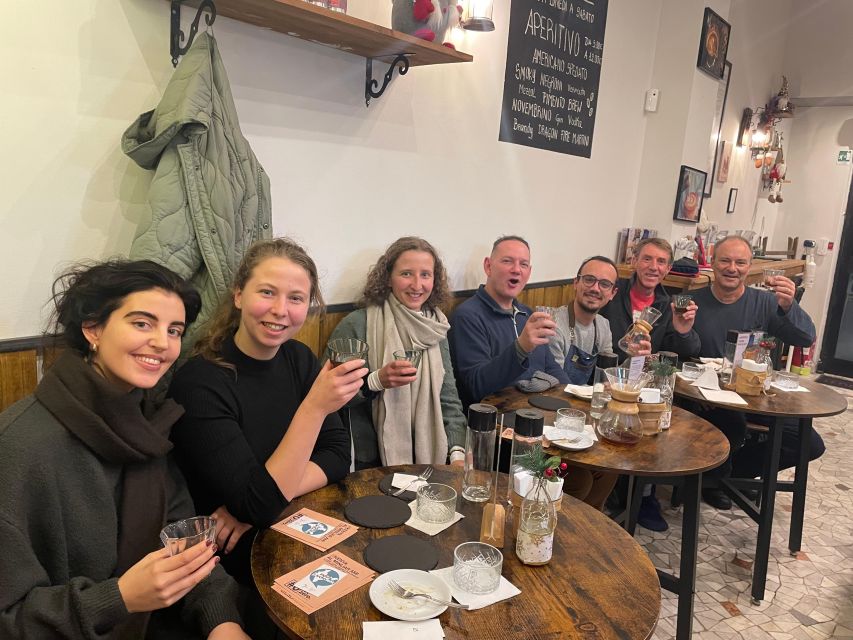
The group is limited to six participants, which is a useful size for a tasting built around explanation and questions. You are less likely to feel lost in a crowd, and there is room to follow the hosts’ descriptions from one method to the next.
Ivone and Federico are named as the hosts, and the session is offered in English, Italian and Spanish. Their manner is described as friendly and detailed, with a relaxed, approachable feel. That matters in a tasting where asking basic questions should be part of the pleasure, not a test of how much coffee jargon you already know.
The two-hour duration gives the tasting room to move at an unhurried pace. It is long enough to compare the three brewing methods and hear practical advice, but short enough to fit into a day of sightseeing. Do not expect it to fill an entire afternoon.
A sweet bite and water between cups
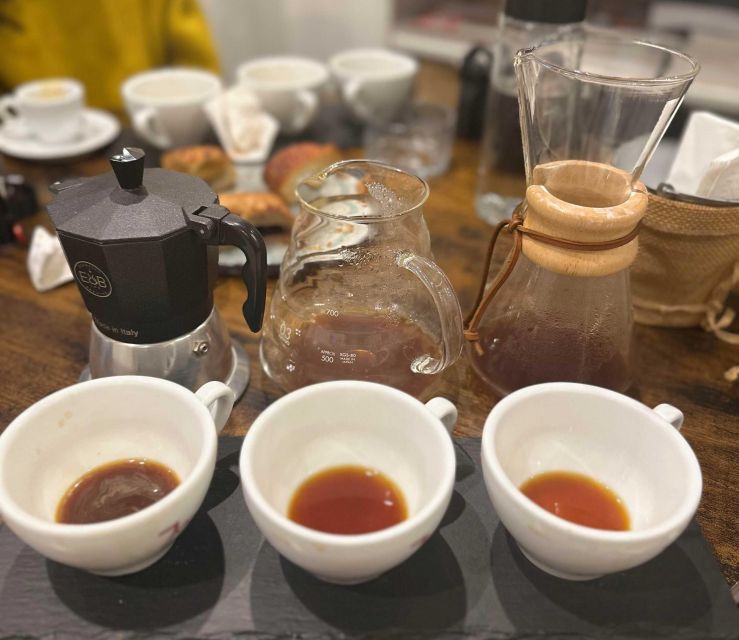
Coffee tasting works better when you can give your attention to each cup. Water is included between coffees, a small but sensible touch that helps keep the tasting comfortable and gives you a pause between preparations.
You also get a dessert or biscuits of your choice. Vegan and gluten-free options are available, which gives people with different dietary preferences something to consider when choosing. The information does not specify the exact treats, so you should not count on a particular pastry or menu item.
The sweet is a companion to the coffee rather than the main event. If you are hoping for a substantial meal, this is not the right outing to replace lunch. Think of it as a thoughtful extra alongside the tasting.
Is $35 a fair price?
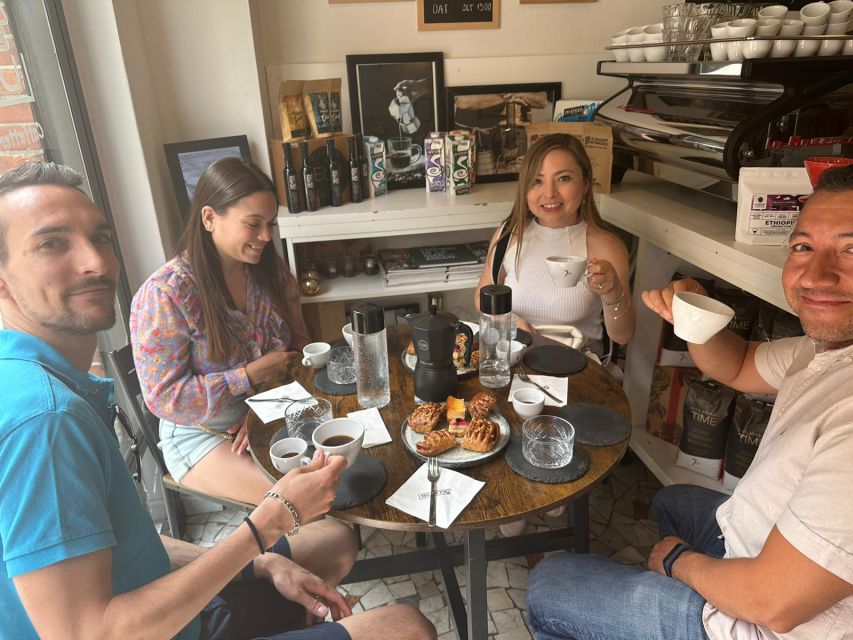
At $35 per person, you are paying for a two-hour guided tasting of three single-origin coffees, three preparation methods, practical instruction, water and a sweet. For someone who already enjoys coffee, that is a solid package: the value comes from comparing methods and learning techniques, not from the amount of food or drink alone.
The price makes particular sense if you want to use the advice at home. Learning how to get more from a moka pot, or understanding what distinguishes V60 and Chemex brewing, can give the tasting lasting value beyond the session itself. There is also a special discount on coffee beans, useful if you find a coffee you want to take home.
If you only want a quick espresso, this is more time and money than you need to spend. If coffee is a genuine interest, or you are curious about why different brewing methods produce different cups, the two-hour format gives you more than a standard café stop.
Who will enjoy this most
Coffee lovers are the obvious match, especially anyone who wants to compare home-brewing methods or learn more about single-origin beans. You do not need to be an expert. The emphasis on clear explanations and practical tips makes the session suitable for curious beginners, too.
It can also work well as a shared activity if one person is the coffee enthusiast and the other is less familiar with drinking it black. One visitor who usually chose lattes and cappuccinos found the tasting opened up a new way to enjoy coffee. That does not mean every cup will become a favorite, but it suggests the session can be worthwhile even if you are not already a pour-over devotee.
You may want to skip it if you do not enjoy coffee or prefer your sightseeing to stay outdoors and on the move. There are no city landmarks built into this activity. Its appeal is the focused, indoor tasting and the chance to learn a skill.
Should you book the Il Cafetero tasting?
Book it if you want an engaging pause in Milan that turns an everyday drink into something worth noticing. The strongest reasons are the three-way comparison between moka, V60 and Chemex, the chance to ask questions in a small group, and the practical advice you can take back to your kitchen.
Keep expectations flexible about the exact coffee origins and dessert, since both depend on what is available. At $35, the session offers good value for curious coffee drinkers who want more than a quick cup. If that sounds like you, it is an easy way to spend two hours learning something you can use long after your Milan visit.
FAQ
How long does the coffee tasting last?
The activity lasts two hours.
How much does it cost?
The listed price is $35 per person.
How many people can join?
The group is limited to six participants.
Which languages are available?
The tasting is offered in English, Italian and Spanish.
Which coffee brewing methods are included?
You’ll explore moka, V60 and Chemex.
How many coffees will I taste?
The session includes three different single-origin coffees. The exact selection depends on the season and availability.
Where do the coffees come from?
The coffees come from single plantations or producers, with origins selected from Africa, South America and Asia depending on availability.
Is food included?
Yes. A dessert or biscuits are included, with vegan and gluten-free options available.
Is water provided during the tasting?
Yes. Water is included between coffees.
Can I get a discount on coffee beans?
Yes. A special discount on coffee beans is included.
Newest reviews in Milan
- Milan Pass Including Duomo Terraces and La Scala★ 3.0 · 39 reviews
- The Magic of Navigli: Self-Guided Puzzle Quest in Milan★ 5.0 · 7 reviews
- Milan: Sweet Delights Patisserie Tour by Do Eat Better★ 5.0 · 56 reviews
- Milan: Luggage Storage Central Station★ 4.0 · 9 reviews
- Milan Luggage Storage Duomo★ 4.0 · 6 reviews
- Milan Must-See Sites Guided Tour with Skip-the Line Tickets to Duomo & Cathedral★ 4.0 · 6 reviews
- Milan: Museum of the 900 Fast-Track Entry Ticket & Audio Guide★ 4.0 · 12 reviews
- Milan Private Walking Tour with a Local★ 4.5 · 15 reviews
Milan Tours, compared.

Cathedral and Duomo’s Terraces Entrance Ticket
Read our review →
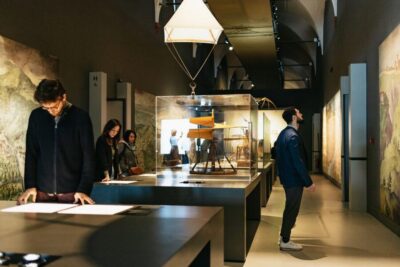
Science and Technology Leonardo da Vinci Museum Entry
Read our review →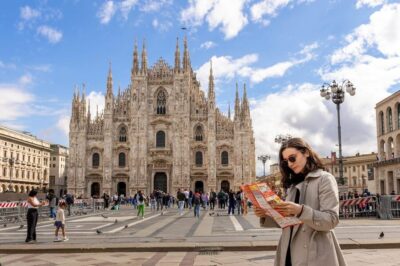
City Sightseeing Hop-On Hop-Off Bus with Audio Guide
Read our review →
Milan Cathedral: Duomo Terraces Ticket (No Church Access)
Read our review →
Milan Cathedral Direct Entrance – Terrace Excluded
Read our review →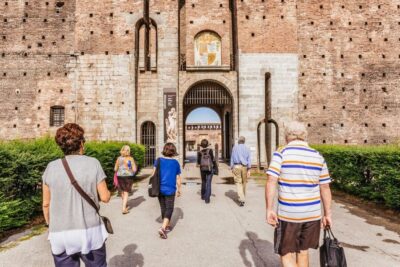
Guided Walking Tour & Last Supper Visit with Ticket
Read our review →